
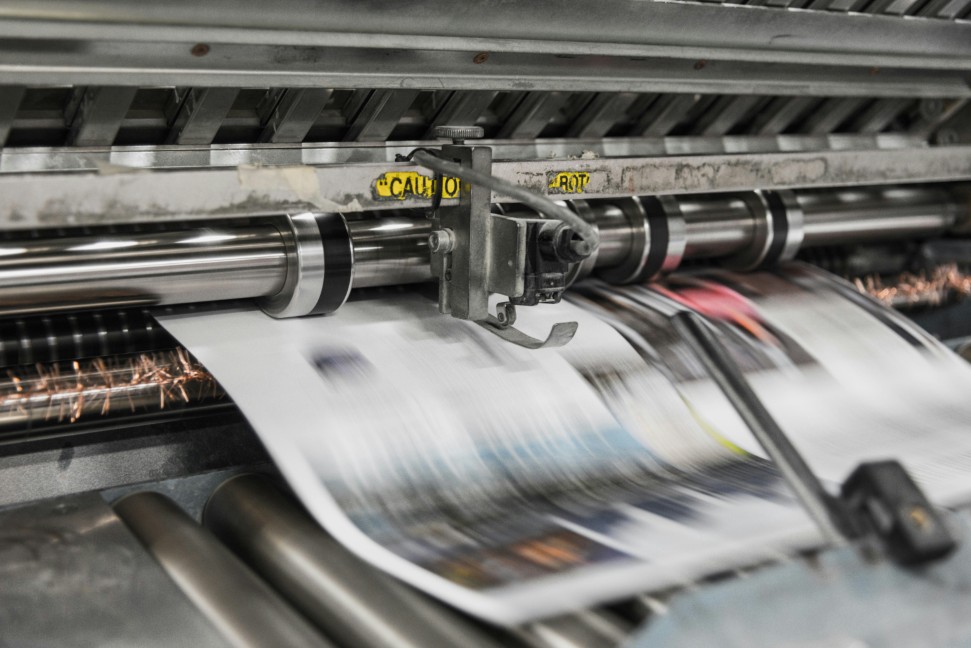
Print remains one of the most effective ways to communicate with impact, but it also comes with decisions that affect materials, energy use, and waste. Whether you are ordering business cards, posters, presentation documents, or large-format plans, working with a printer in london should not mean choosing between quality and responsibility. The most sustainable print projects are usually the result of better planning, better material choices, and a clear understanding of what is truly necessary.
Why eco-friendly printing matters
Eco-friendly printing is not simply about using recycled paper and considering the job done. It is a broader approach that looks at the full life of a printed item: where the paper comes from, how much ink is used, how efficiently the job is produced, what finishes are applied, how the order is packed and delivered, and what happens after the item has served its purpose.
For businesses, this matters for practical reasons as much as ethical ones. Printed materials that are overproduced, badly specified, or need to be reprinted because of avoidable errors create unnecessary cost as well as unnecessary waste. Sustainable printing encourages discipline. It pushes teams to define the purpose of each piece, order more accurately, and choose materials that support the message instead of undermining it.
It also helps to remember that “green” does not always mean minimal or plain. High-quality print can still feel premium, tactile, and visually striking while being more responsible. Often, the best results come from thoughtful restraint: fewer excess finishes, cleaner design decisions, and materials chosen for durability and recyclability rather than novelty.
Start with better materials
Paper is usually the first place to make a meaningful improvement. Recycled stocks are widely available and, when selected well, can look refined rather than rustic. In other cases, responsibly sourced virgin fibres may be appropriate, especially if the specification requires a particular strength, brightness, or finish. What matters is choosing paper with a clear purpose instead of defaulting to the heaviest or glossiest option.
When reviewing stocks, ask a few simple questions. Does the paper need to feel luxurious, or simply professional and clean? Will the item be kept for months, or handed out briefly at an event? Is there a lighter weight that would perform just as well? Small specification changes across regular print runs can significantly reduce material use over time.
- Recycled paper: A strong option for brochures, flyers, stationery, and many business documents.
- Responsibly sourced stock: Useful where print performance or presentation requires a specific grade.
- Uncoated finishes: Often easier to recycle and can create a more understated premium feel.
- Avoiding unnecessary laminates: Helps improve recyclability and reduces mixed-material waste.
Beyond paper, consider the supporting materials around the print job. Packaging, protective wraps, inserts, and display components can all be specified more carefully. For example, a point-of-sale pack that uses fewer mixed materials is often easier to recycle and simpler to assemble, which improves efficiency as well as sustainability.
Cut waste through smarter planning
The most effective eco-friendly printing decision is often made before production begins. Waste frequently comes from avoidable issues: ordering too many copies, using the wrong size, changing artwork late, or selecting finishes that are impressive in theory but unnecessary in practice. Careful briefing and proofing reduce the risk of excess from the start.
This is where an experienced supplier adds real value. A knowledgeable printer in london can help you match format, stock, and print method to the actual purpose of the piece rather than simply fulfilling a file as submitted. Designed4Print, for example, serves businesses that need posters, plan printing, and business cards, where accuracy and presentation matter but so does avoiding overproduction.
- Set a clear objective: Decide what the printed item must achieve and how long it needs to last.
- Review quantities honestly: Order based on likely use, not habit or guesswork.
- Design to standard sizes: This can reduce paper waste and improve production efficiency.
- Proof carefully: Correcting errors before printing is far better than reprinting.
- Consolidate versions where possible: Too many near-identical variants can create avoidable surplus.
Shorter print runs can also be a sensible choice, especially for materials that change regularly, such as event signage, promotional handouts, or price-sensitive collateral. It is often better to print smaller quantities more accurately than to store boxes of outdated material that will never be used.
Choose production and finishing carefully
Different print methods suit different jobs, and the greener option depends on the volume, format, and intended use. Digital printing is often a strong choice for shorter runs because it allows more precise quantities and less setup waste. Larger runs may call for other methods, but the principle remains the same: use the process that delivers the required quality with the least unnecessary excess.
Inks and finishes also deserve attention. Vegetable-based or lower-impact ink options can be preferable, and double-sided printing can reduce paper consumption without diminishing readability when the layout is well designed. Finishes such as foiling, heavy lamination, or specialty coatings may add visual impact, but they can also make products harder to recycle and more resource-intensive to produce.
| Decision Area | Lower-Impact Choice | What to Consider |
|---|---|---|
| Paper stock | Recycled or responsibly sourced paper | Balance appearance, durability, and recyclability |
| Print run | Accurate quantities or shorter runs | Reduces storage, obsolescence, and waste |
| Ink usage | Efficient colour coverage and suitable ink systems | Heavy coverage can increase material use and drying time |
| Finishing | Minimal coating or no laminate where possible | Keeps recycling easier and the design cleaner |
| Layout | Double-sided printing and standard sizes | Improves material efficiency without sacrificing clarity |
None of this means premium finishing should never be used. It means it should be justified. If a finish adds genuine value, durability, or brand clarity, it may be worth keeping. If it is there by default, it is worth questioning.
Build eco-friendly print habits into everyday decisions
Sustainable printing works best when it becomes part of routine decision-making rather than a one-off initiative. Teams that produce printed materials regularly should create a simple internal checklist covering stock preferences, approval processes, default sizes, quantity reviews, and finishing rules. That reduces guesswork and keeps standards consistent across departments and campaigns.
Local production can support this approach as well. Working with a reliable printer in london can make communication easier, reduce delays, and help avoid rushed reprints caused by misunderstandings. It also makes it more practical to discuss proofs, paper options, delivery schedules, and alternatives that may reduce waste.
Another useful habit is to think about end use from the beginning. A business card should be durable enough to keep. A poster should be sized for the display space so it does not need trimming or replacing. Plan printing should be legible, accurate, and fit for handling. Good specification prevents waste after delivery, not just during production.
Finally, review what happens after the print has been used. Can paper items be recycled easily? Can display materials be stored and reused? Can seasonal graphics be redesigned as timeless pieces that stay relevant longer? Sustainability is often improved by designing for longevity, reuse, and straightforward disposal.
Conclusion: better print starts with better choices
Eco-friendly printing is less about dramatic gestures and more about consistent, informed decisions. Choose paper with care, order only what you need, avoid unnecessary finishing, and work with a supplier who will question wasteful choices instead of encouraging them. Those steps protect quality while reducing avoidable impact.
For any organisation that depends on print, the goal is not to stop printing altogether. It is to print with more intention. When you approach the process thoughtfully, a printer in london can help you produce materials that look polished, perform well, and sit more comfortably within a responsible way of doing business. That is not a compromise. It is simply better printing.
Find out more at
Designed4Print Ltd
https://www.designed4print.com/
+44 020 3916 5206
Unleash your creativity with Designed4Print.com – where imagination meets innovation. Get ready to experience a whole new world of stunning and personalised printed designs. Revolutionise your print projects with cutting-edge technology and a seamless user experience. Stay tuned for the grand unveiling – your print dreams are about to come to life!


